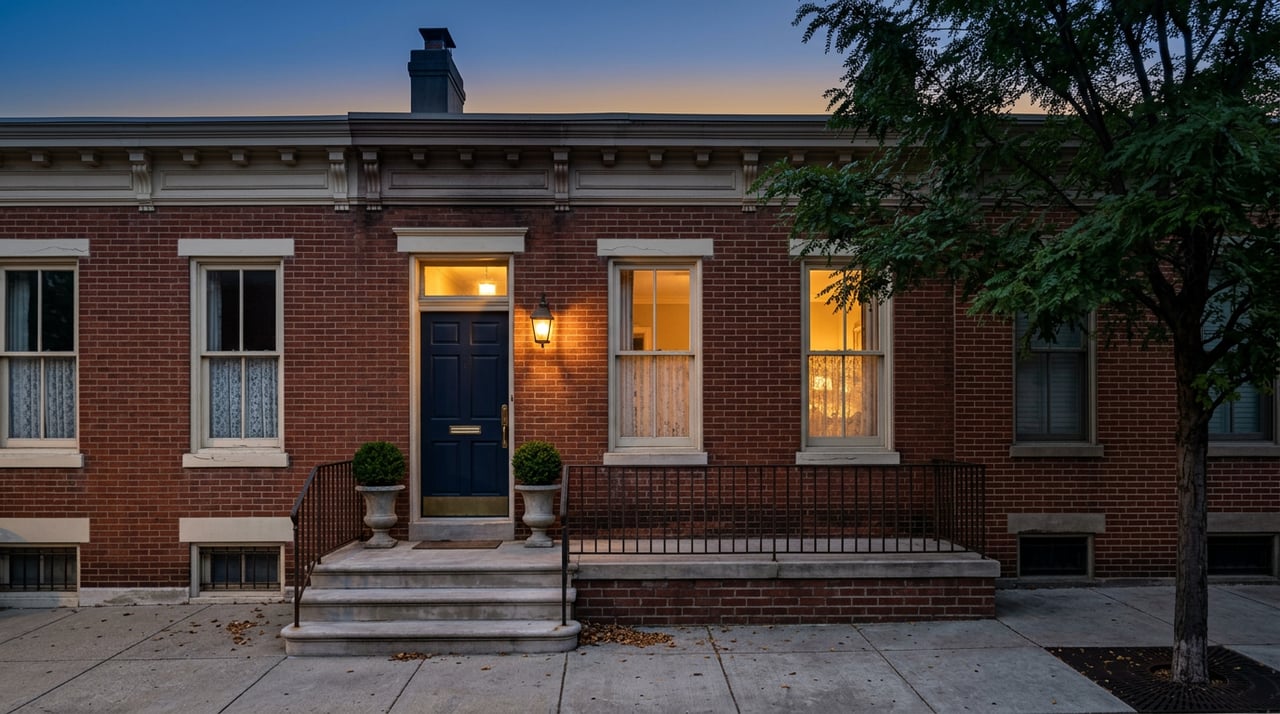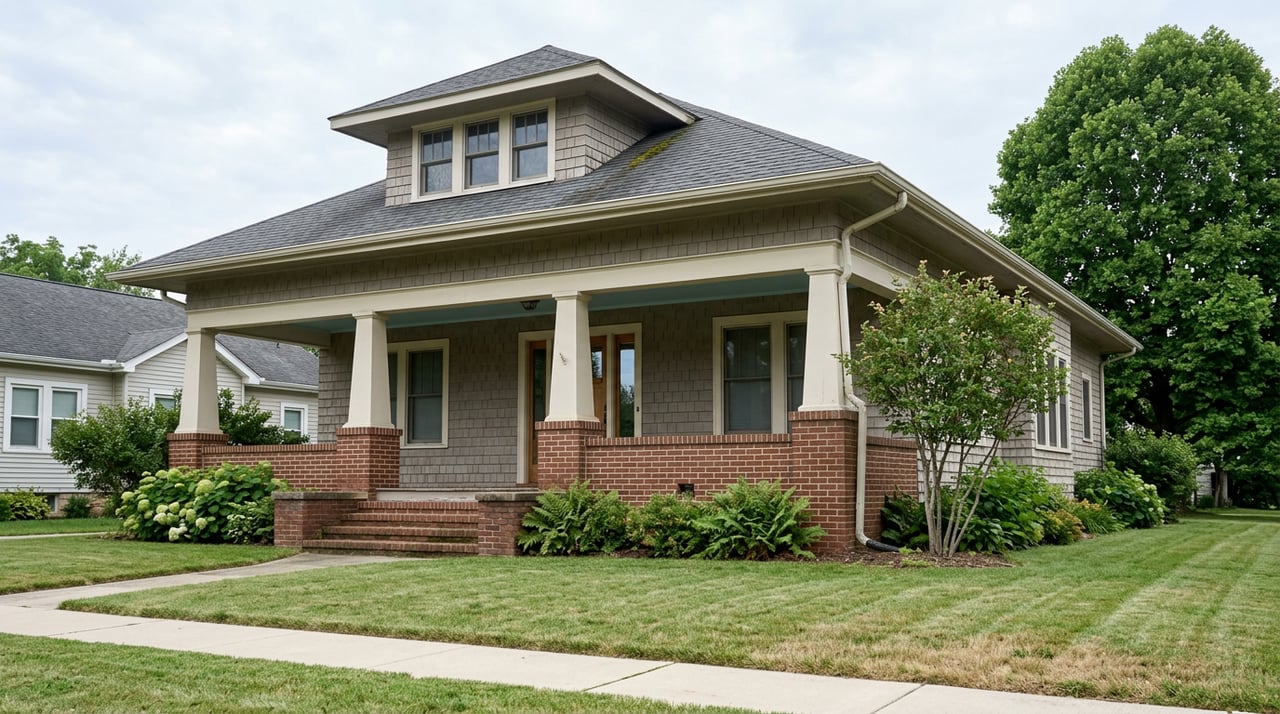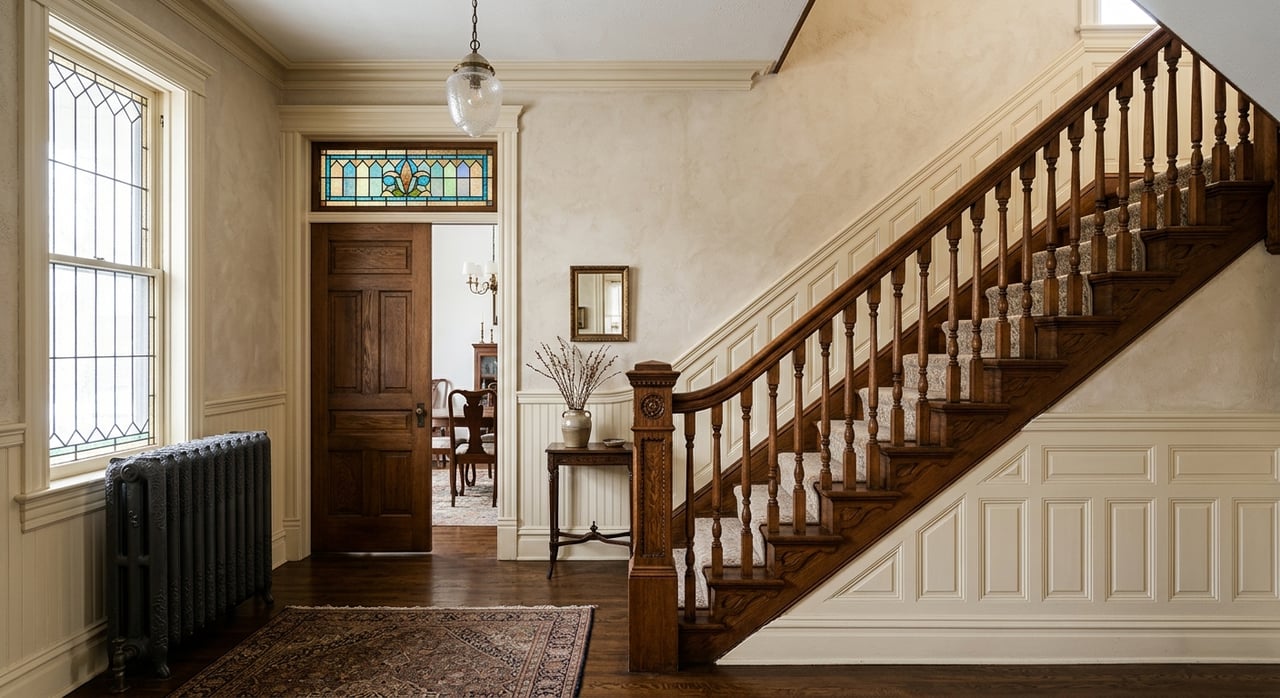
Thinking about buying a historic home in Covington? It can be an exciting way to own a piece of a 200-plus-year-old river city, but it also comes with extra layers of research, planning, and inspection. If you want charm without costly surprises, it helps to know what to verify before you make an offer, what repairs may be more complex, and how local preservation rules can affect your plans. Let’s dive in.
Why Covington historic homes need extra homework
Covington has a deep inventory of older properties, and the city says it includes 17 National Register historic districts. It also has seven local Historic Preservation Overlay zones, often called HPOs. Those designations are not the same, and that difference matters when you are buying.
A home may be in a National Register district, an HPO, both, or neither. According to the City of Covington historic preservation page, homes in HPO areas require a Certificate of Appropriateness before exterior alterations or tree removal. That means your future repair or renovation plans may be subject to local design review.
Covington’s design guidance identifies the seven HPOs as MainStrasse, Seminary Square, Pike Street, Downtown Commercial, Mutter Gottes, Licking Riverside, and Ohio Riverside. The city’s design guide explains that preservation standards are meant to protect architectural character, maintain compatible scale and materials, and help conserve property value. For you as a buyer, the takeaway is simple: do not assume an old house follows the same rules as every other old house.
What to verify before making an offer
Before you fall in love with original brickwork, tall windows, or a classic front porch, take time to confirm the basics. Historic homes reward careful buyers.
Check the property’s overlay status
Your first question should be whether the home is inside a local HPO, a National Register district, or both. That will shape what kind of exterior work may need review later. The City of Covington preservation resources and the city’s design guide are the best place to start.
Review parcel, zoning, and flood information
A smart next step is to pull the parcel in LINK-GIS. The system allows you to search by address, owner name, or parcel identifier and review property lines, zoning, aerials, and flood zone information.
This matters in Covington because river-city locations and low-lying blocks may carry added flood exposure. The Kentucky flood zone guide points buyers to state and FEMA tools, and FEMA notes that there is no true no-risk flood zone. If a property falls in a high-risk area, flood insurance may become part of your ownership costs.
Research past changes to the house
Historic homes often tell only part of their story in a listing. To learn more, Covington’s preservation research materials recommend reviewing Sanborn maps, deeds, city directories, census records, tax records, and National Register nominations.
These records can help you identify additions, previous uses, and how the structure has changed over time. You can also review land records through the Kenton County Clerk real estate page to look for deeds and related property history. For buyers considering a major renovation, this research can reveal details that are easy to miss during a quick showing.
Ask about possible tax credit eligibility
If you are planning a substantial rehab, it is worth asking whether the property may qualify for historic tax credits. The Kentucky Historic Rehabilitation Tax Credit program states that owner-occupied residential properties may qualify for up to 30% of eligible rehabilitation expenses, while other property types may qualify for up to 20%.
According to the Kentucky Heritage Council program overview, eligible properties must be individually listed on the National Register or contribute to a National Register historic district, and minimum spending thresholds apply. The federal 20% credit applies only to income-producing properties, so the right program depends on how you plan to use the home.
Key inspection issues in a Covington historic home
In historic properties, the biggest concerns are often not cosmetic. They usually involve the building envelope, moisture control, original materials, and whether past repairs fit the age and style of the house.
Focus on water management first
Covington’s historic design guide places strong emphasis on roofs, gutters, downspouts, masonry, woodwork, windows, porches, and foundations. That is a clue for buyers. Water intrusion is often one of the most important issues to evaluate because it can affect multiple parts of an older structure.
During inspections, pay close attention to rooflines, masonry joints, foundations, gutters, and areas where water may collect or drain poorly. A house with historic charm but weak water management can become a much bigger project than expected.
Evaluate roof features carefully
On a historic home, the roof is not just a cover over the house. It can be a defining architectural feature. The city guide notes that roof shape and pitch matter, and traditional materials in Covington include standing-seam metal, slate, clay tile, and wood or metal shingles.
Features like chimneys, dormers, cornices, eaves, and box gutters can also be important to the home’s historic integrity. If these elements are damaged or were replaced with incompatible materials, future repair decisions may require more care and planning.
Look closely at windows and exterior trim
Windows are often a major decision point in an older home. The National Park Service guidance on historic windows says deteriorated features should generally be repaired rather than replaced, and when replacement is necessary, the new units should match the old in design, color, texture, and, when possible, materials.
That means window replacement may be more nuanced than it would be in a newer property. You should also inspect sills, trim, porches, and decorative wood or metal details for deterioration, deferred maintenance, or mismatched prior work.
Budget for health and environmental risks
If the home was built before 1978, lead-based paint should be part of your planning. The EPA lead resources note that pre-1978 homes are likely to contain some lead-based paint, and certain renovation work requires certified practices.
You should also factor in the possibility of asbestos in older materials. The EPA asbestos guidance explains that damaged asbestos-containing material, or material that will be disturbed, should be handled by trained and accredited professionals. These are not reasons to avoid an older home, but they are important reasons to build a realistic renovation budget.
Renovations and permits in Covington
Buying the home is only part of the process. If you want to update it, Covington’s permit and preservation rules matter.
Understand the permit sequence
The city’s permits page says a zoning permit is usually required before a building permit can be issued. If the property is in an HPO, a Certificate of Appropriateness is required before zoning review for exterior work.
The city also states that a COA is required before any exterior alteration or tree removal within an HPO or within the 12th Street Corridor Redevelopment Plan. If your future plans include a new porch railing, replacement windows, exterior masonry work, or tree removal, it is wise to ask questions early.
Plan for more lead time
Covington’s preservation framework is designed to review changes case by case. The city design guidelines focus on compatible design, preservation of scale and setbacks, and protection of historic integrity rather than freezing homes in place.
The city also encourages owners to contact preservation staff early, and its business and development guidance notes that some projects may be handled by staff while others may require board review. For you, that means historic renovations may take more time to plan than similar updates in newer homes.
How historic choices can affect resale
A well-maintained historic home can stand out for all the right reasons. Covington’s own preservation materials state that the guidelines are intended in part to enhance attractiveness to buyers and investors and help conserve property value.
That is why future resale should shape your decisions from day one. Repairs that preserve character, use compatible materials, and maintain original features where possible may support the qualities that make the property distinctive.
If you buy a historic home in Covington, keep records of repairs, approvals, and before-and-after work. Clear documentation can help you later if you decide to sell, especially if you made thoughtful updates that respected the home’s original features.
A practical approach for buyers
Historic homes can be incredibly rewarding to own, but they are best approached with clear eyes and a good plan. In Covington, that means confirming overlay status, reviewing parcel and flood information, researching the property’s history, and understanding what maintenance or renovations may really involve.
With the right guidance, you can separate true opportunity from expensive guesswork. If you are considering a historic home in Covington and want help navigating the details, connect with Willard & Erwin Group for knowledgeable, client-focused support throughout your home search.
FAQs
What should you check before buying a historic home in Covington?
- Confirm whether the property is in a local Historic Preservation Overlay, a National Register district, or both, then review parcel data, flood zone information, and property records before making an offer.
Do Covington historic homes always need city approval for repairs?
- Not always, but homes in an HPO generally require a Certificate of Appropriateness before exterior alterations or tree removal.
Can a Covington historic home qualify for tax credits?
- Some properties may qualify for Kentucky historic rehabilitation tax credits if they are individually listed on the National Register or contribute to a National Register historic district and meet program requirements.
Why is flood research important when buying in Covington?
- Covington’s river-city setting means some homes may have added flood exposure, and flood insurance may be required for properties in high-risk flood areas with government-backed mortgages.
What inspection issues matter most in an older Covington home?
- Water intrusion, roof condition, masonry, windows, porches, incompatible replacement materials, lead-based paint, and possible asbestos are all important areas to evaluate.