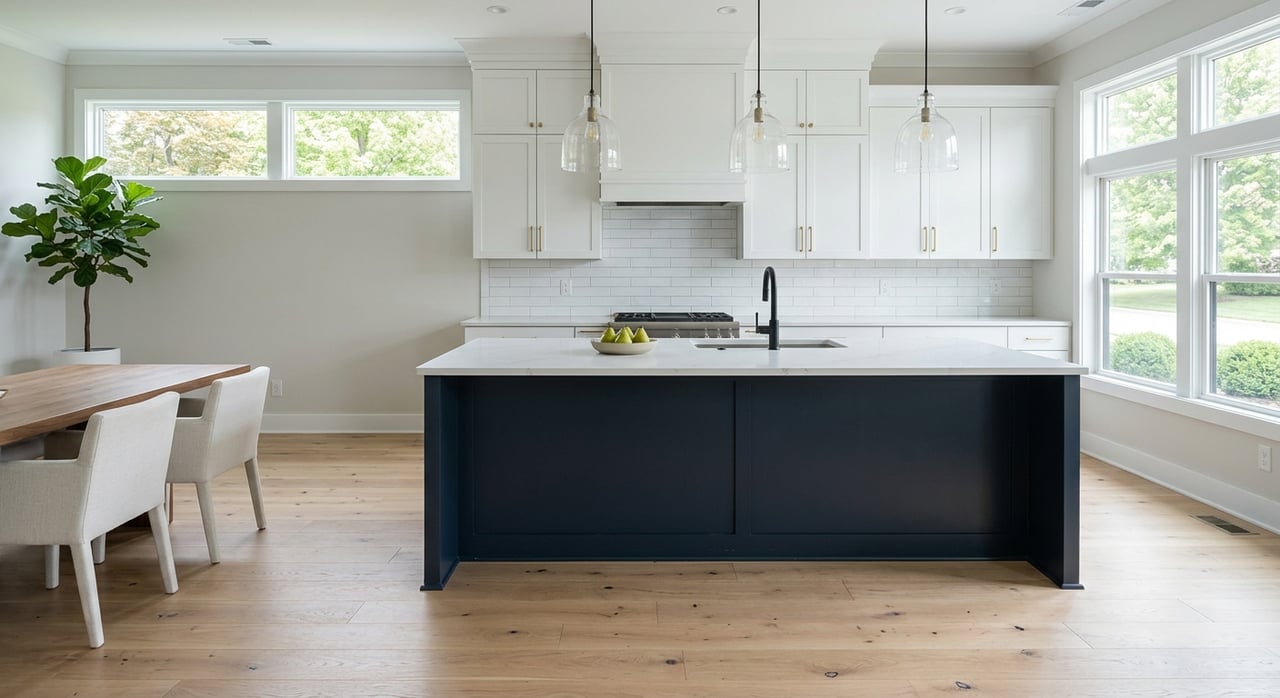
If you want your Hyde Park home to stand out, staging is not about making it look trendy. It is about helping buyers see the space, the light, and the character that make this neighborhood so appealing. In a market where buyers often notice both the home and the surrounding setting, the right staging strategy can sharpen your first impression online and in person. Let’s dive in.
Why staging matters in Hyde Park
Hyde Park is known for its historic roots, walkable feel, and established local character. With a neighborhood identity shaped over more than a century, buyers are often responding to more than square footage alone. They are also paying attention to charm, curb appeal, and how well a home fits the setting around it.
That makes staging especially important here. A polished listing can help buyers focus on what makes your home memorable, while a cluttered or overly styled space can distract from the details that matter most. In other words, your goal is not to reinvent the home. Your goal is to present it clearly and confidently.
Research supports that approach. In the National Association of Realtors 2025 Profile of Home Staging, 60 percent of buyers’ agents said staging affects most buyers most of the time. That does not mean every staged home will sell for more, but it does show how strongly presentation can shape buyer perception.
Start with the basics first
Before you think about furniture, art, or accessories, focus on the core prep work that agents most often recommend. According to the same 2025 staging report, the most common suggestions were decluttering, full-home cleaning, and curb appeal improvements, followed by paint touch-ups, wall painting, minor repairs, and depersonalizing.
These steps work because they remove distractions. Buyers looking at photos or walking through your home want to understand the space quickly. If they are noticing crowded shelves, scuffed trim, or too many personal items, they are not fully taking in the home itself.
A strong pre-listing checklist usually includes:
- Remove excess furniture to open up pathways
- Clear countertops, shelves, and nightstands
- Deep clean floors, windows, kitchens, and baths
- Patch small wall marks and scuffs
- Touch up worn paint where needed
- Fix loose hardware, dripping faucets, or sticking doors
- Store personal photos and highly specific decor
- Freshen the front entry, porch, and walkway
In Hyde Park, this kind of editing matters even more because many homes already have visual interest. Original millwork, fireplaces, porches, wood windows, and mature landscaping can do a lot of the work for you when they are easy to see.
Let architectural character lead
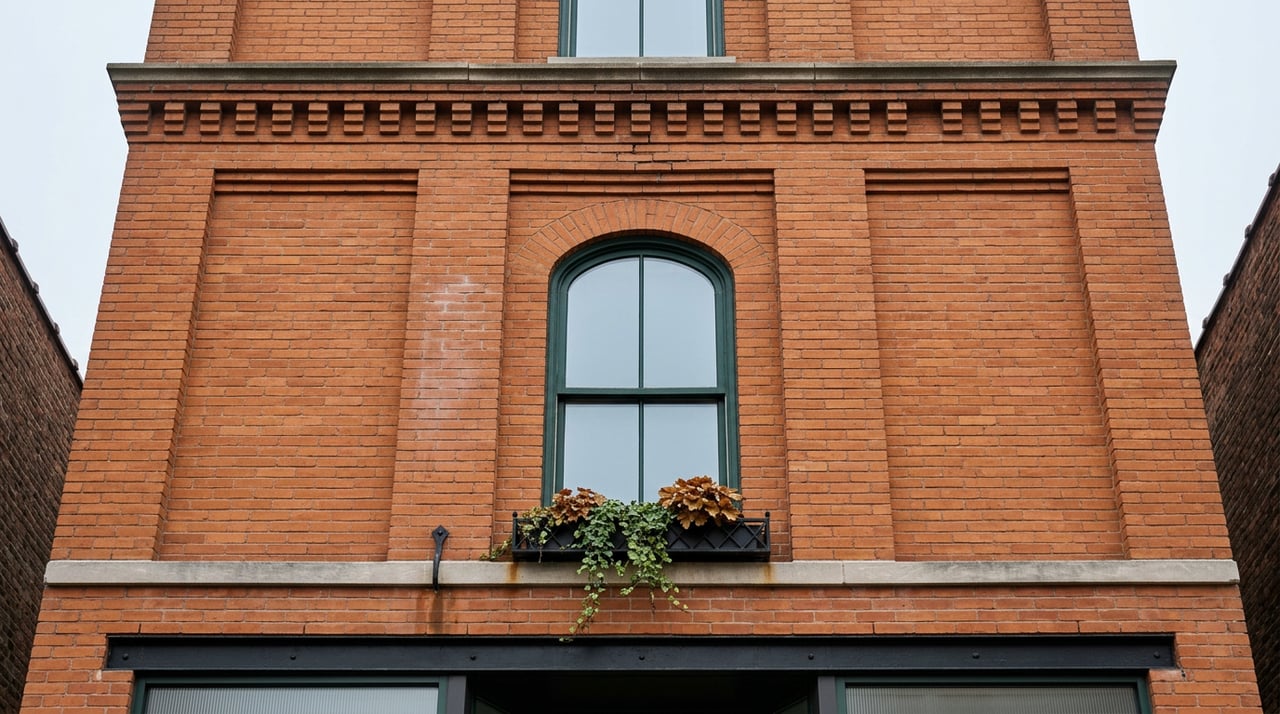
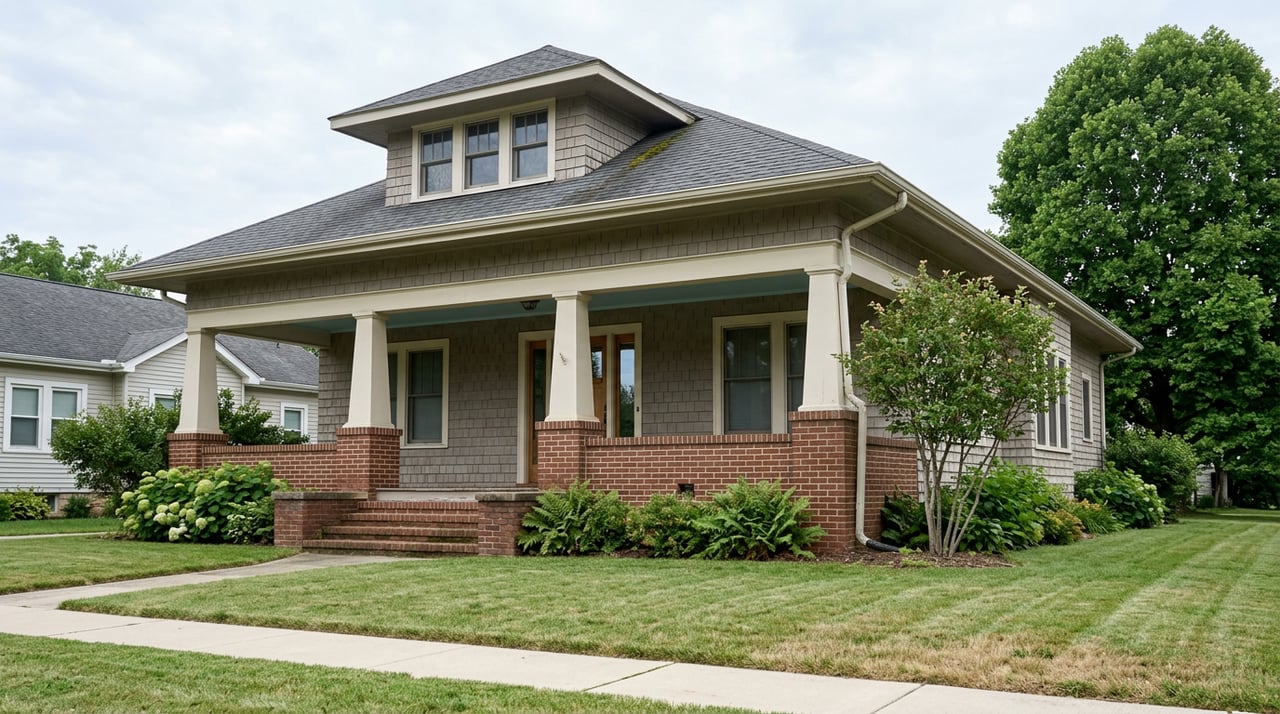
Some of Hyde Park’s housing stock reflects early Colonial Revival and other historic styles. Local historic conservation materials describe homes with features such as porches, visible roofs, original wood windows, mature trees, and modest landscaping. That points to a staging approach that feels restrained and character-forward.
For many Hyde Park listings, less really is more. You want buyers to notice the fireplace mantel, the proportions of the rooms, the natural light, and the details that give the house personality. If staging competes with those features, it can weaken the very story you want the home to tell.
A character-forward staging plan often means:
- Using neutral, simple furnishings
- Keeping window treatments minimal where privacy allows
- Avoiding oversized art that covers architectural details
- Limiting bold colors that clash with older materials
- Highlighting porches, entryways, and fireplace focal points
- Styling with texture and warmth rather than excess accessories
The overall look should feel clean, bright, and polished. It should also feel believable for the home.
Prioritize the rooms buyers notice most
Not every room needs the same level of attention. NAR’s 2025 staging data found that the rooms staged most often were the living room, primary bedroom, dining room, and kitchen. If you are deciding where to focus time and budget, start there.
Living room staging tips
The living room is often where buyers decide whether a home feels welcoming. In Hyde Park, that may also be the room where original trim, built-ins, or a fireplace help create an immediate sense of place. Arrange furniture to show flow and conversation, not to fill every inch.
Use a simple rug, balanced seating, and a few well-chosen accents. If the room is smaller, remove extra chairs or side tables so it feels more open in photos. Keep surfaces mostly clear.
Primary bedroom staging tips
Your primary bedroom should feel calm and spacious. Crisp bedding, minimal decor, and tidy nightstands usually go further than elaborate styling. The goal is to help buyers imagine comfort, not to create a magazine set.
If the room has beautiful windows or original details, keep them visible. A bench, lamp, and soft textiles can add warmth without crowding the space.
Dining room staging tips
Dining rooms help buyers understand how the home lives day to day. Even if you rarely use the room, stage it with purpose. A simple table setting, centered light fixture, and open floor space can help the room feel useful and well-proportioned.
In older homes, dining rooms often carry architectural detail. Let that detail stand out. Avoid heavy centerpieces or too many decorative elements that compete with the room itself.
Kitchen staging tips
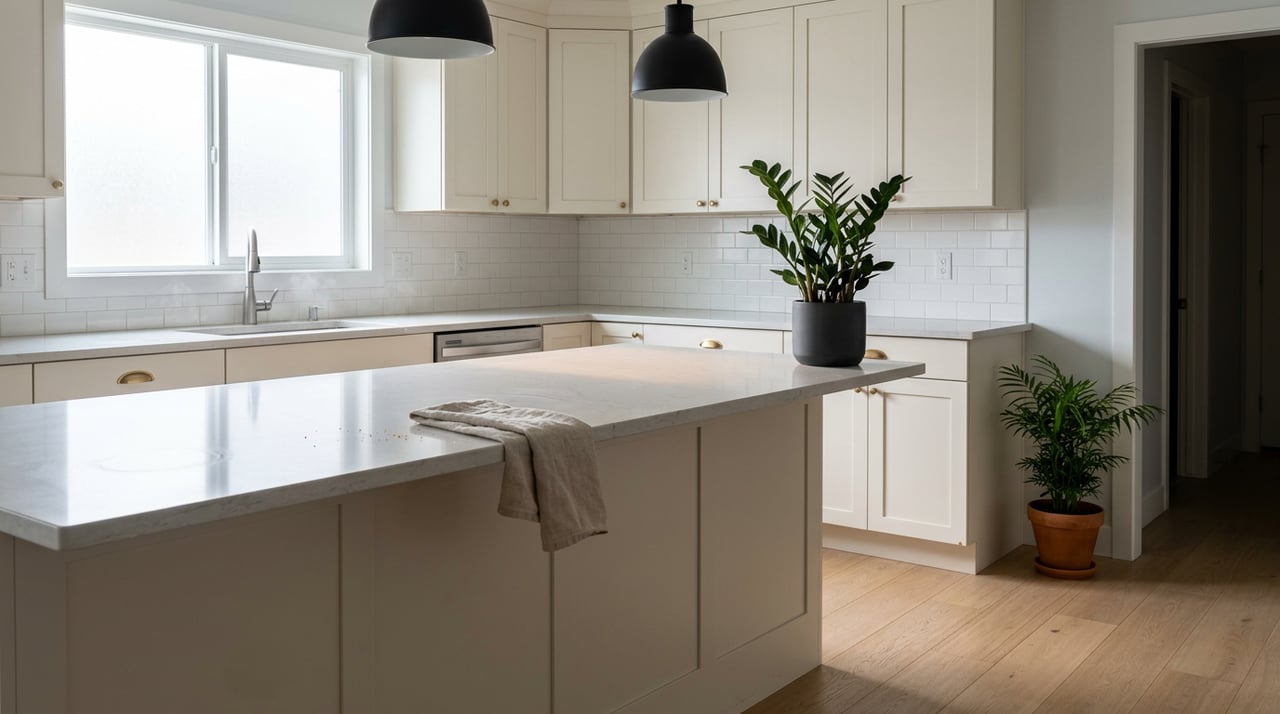
Kitchens need to look clean, functional, and easy to maintain. Clear counters as much as possible. Leave only a few intentional items, such as a bowl of fruit or one small plant, if they fit the style of the home.
Hide trash bins, cords, pet items, and countertop clutter before photos or showings. Buyers are studying kitchens closely, and even a nice space can photograph poorly when everyday items are left out.
Curb appeal matters before buyers walk in
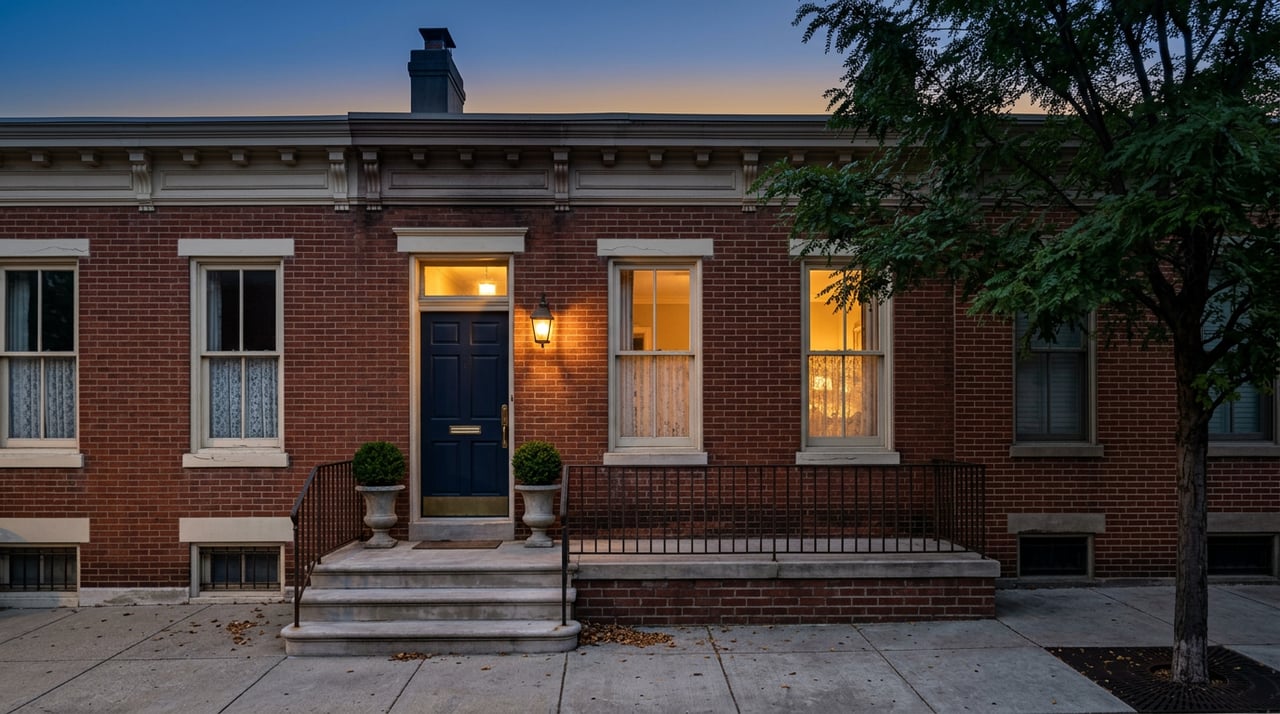
Curb appeal ranked high among seller-agent staging recommendations, and in Hyde Park that makes perfect sense. Buyers often encounter your home online before they ever see it in person, and the front exterior may be one of the first images they see.
A strong exterior presentation does not need to be flashy. In fact, a more restrained approach often fits Hyde Park better. Focus on making the front walk, porch, trim, gutters, and entry feel clean and finished.
Simple curb appeal updates may include:
- Sweep the walkway and porch
- Clean the front door and surrounding trim
- Refresh planters if appropriate
- Tidy landscaping and remove debris
- Make sure gutters and visible surfaces look maintained
- Store hoses, bins, and miscellaneous outdoor items
These details signal care. They also support stronger listing photos.
Know when historic rules apply
If your Hyde Park home is in a locally designated historic district or is itself locally designated, exterior changes may require a Certificate of Appropriateness review through the City of Cincinnati. That is an important distinction for sellers.
Staging and maintenance are not the same as renovation. Cleaning up the porch, styling planters, or making the entry photo-ready is very different from changing exterior materials or design features. If you are considering exterior updates before listing, it is smart to separate cosmetic prep from any work that could trigger local review.
Prepare for photos, video, and virtual tours
Online presentation is a major part of how buyers shop. In NAR’s 2025 buyer and seller trends report, the first step in the home search process for all generations was to look online for properties. Among buyers who used the internet, 83 percent said photos were the most useful website feature, followed by virtual tours at 41 percent and videos at 29 percent.
That means your staging plan should support the camera, not just the showing. A room that feels fine in person may still look cramped, dark, or distracting in photos if it is not prepared carefully.
For shoot day, make sure you:
- Open blinds and curtains where appropriate
- Turn on available lights
- Clear kitchen and bath counters
- Hide toiletries, cords, and trash bins
- Put away pet beds, bowls, and toys
- Straighten rugs, pillows, and bedding
- Clean reflective surfaces and mirrors
- Finish the front entry and porch
Virtual staging can help vacant rooms show their potential, but it works best as a supplement, not a substitute for real preparation. If your home is occupied, physical staging and thoughtful editing are still key to building trust in your online presentation.
Match the budget to the goal
Staging does not have to mean a major expense. In NAR’s 2025 staging report, the median spend was $1,500 when using a staging service, compared with $500 when the seller’s agent personally staged the home. The right path depends on the condition of the home, the rooms that need help, and how much furniture and decor you already have.
Survey results in that same report suggest some agents saw stronger offers on staged homes, with 19 percent reporting buyers offered 1 percent to 5 percent more and 10 percent reporting 6 percent to 10 percent more. Those figures are directional, not guaranteed. Still, they support a practical point: strong presentation can influence how buyers respond.
For many Hyde Park sellers, the smartest investment is not elaborate decor. It is the combination of decluttering, cleaning, minor repairs, selective room staging, and professional marketing that helps the home show at its best.
A smart Hyde Park staging mindset
The best Hyde Park listings usually feel polished without feeling overdone. They respect the home’s age, style, and setting while making it easy for buyers to connect emotionally. That balance matters in a neighborhood where character is part of the value.
If you are preparing to sell, think of staging as part design, part editing, and part marketing. When your home is clean, bright, and easy to photograph, its strongest features come through. That can make a real difference in how buyers remember it.
If you want guidance on how to position your Hyde Park home for today’s market, Suzanne Willard can help you create a listing plan that highlights your home’s character and presents it with care.
FAQs
What rooms should sellers stage first in a Hyde Park home?
- Start with the living room, primary bedroom, dining room, and kitchen, since these are the rooms most often prioritized in NAR’s 2025 staging data.
What staging updates matter most before listing a Hyde Park property?
- Decluttering, deep cleaning, curb appeal, paint touch-ups, minor repairs, and depersonalizing are the most commonly recommended pre-listing improvements.
What exterior staging should sellers focus on for a Hyde Park listing?
- Focus on a clean and finished front exterior, including the walkway, porch, trim, gutters, entry area, and modest landscaping.
What should Hyde Park sellers know about historic district rules before exterior changes?
- If the home is locally designated or located in a local historic district, exterior changes may require a Certificate of Appropriateness review through the City of Cincinnati.
What should sellers do before real estate photos in Hyde Park?
- Clear counters, hide cords and personal items, put away pet supplies and trash bins, open blinds, turn on lights, and make sure the front entry and porch are photo-ready.