Ever wonder what your day would feel like if you lived in Cincinnati’s Over-the-Rhine? Picture narrow brick sidewalks, the smell of fresh bread drifting from the market, and the streetcar gliding past restored Italianate facades. If you are curious about daily rhythms, housing costs, and how people get around here, this guide walks you through a local’s day with practical details to help you decide if OTR fits your life. Let’s dive in.
Morning: coffee and market energy
Start your day where many locals do: at Findlay Market, the city’s historic public market and a year-round hub for groceries, prepared foods, and neighborly conversation. The indoor merchants operate Tuesday through Sunday, with outdoor vendors filling the streets on weekends. Check current hours and vendor lists on the market’s site to plan your run for produce, bread, or a quick breakfast. You can feel the neighborhood wake up as stalls open and the first cups of coffee are poured. Explore hours and merchants at the official site for Findlay Market.
Midday: errands, walks, and green space
OTR is compact and very walkable, with a Walk Score near 96 that puts many errands within a few blocks. If you work downtown or have meetings in the core, you can often travel without a car. Get a sense of local walkability from the Walk Score snapshot.
When you need a breather, head to Washington Park, the green heart of the neighborhood. This renovated space offers a playground, dog area, interactive water features, a performance stage, and an underground garage with about 450 spaces that can simplify parking on busy nights. Learn about the park’s amenities and history through the Washington Park project page.
For short trips, the Cincinnati Bell Connector makes it easy to hop between The Banks, Downtown, and OTR on a 3.6-mile loop. See the route and stops on the streetcar map.
Afternoon: arts pulse and taprooms
Afternoons bring you close to some of Cincinnati’s signature arts venues. Cincinnati Music Hall anchors the south edge of OTR and hosts world-class performances. A quick pre-show coffee or an early dinner is a common local ritual before you cross the street to take your seat. Read more about the venue’s role in the city’s arts scene on the Cincinnati Music Hall page.
If your afternoon leans casual, you will find OTR’s brewery identity on display. Rhinegeist remains a popular stop for a post-work pint and rooftop views. Get a feel for its place in the neighborhood from this Rhinegeist feature. New names appear often, too. For example, the former Taft’s Ale House space saw a new chapter with the Mellotone Beer Project opening in late 2024. As with many urban neighborhoods, tenants rotate, so verify what is open when you go.
Evening: dinner, shows, and lively blocks
When evening hits, Vine and Main Streets come alive with restaurants, bars, and people heading to performances. Patio tables fill on warm nights, and you might catch live music drifting from a corner stage or a park program across the way. Because the dining scene changes quickly, focus on the atmosphere first, then check current listings and hours before you make plans. On busy nights, the Washington Park garage or Mercer Garage can simplify parking while you enjoy dinner and a show.
Weekends: markets and festivals
Weekends at Findlay Market bring peak energy with outdoor vendor rows, buskers, and heavier foot traffic. It is a great time to stock up on groceries and grab lunch with friends.
OTR also hosts recurring festivals that shape the calendar. Bockfest celebrates the neighborhood’s brewing roots every March and fills the streets with parades and events. Learn about its history on the Bockfest site. Larger regional events like BLINK light up nearby blocks on their biennial schedule, and community street fairs such as Second Sunday on Main give small businesses a boost. For local programming and business resources, explore the OTR Chamber.
Practical living in OTR
Housing costs snapshot (Jan 2026)
- Redfin reported a median sale price of about 364,450 dollars for OTR in January 2026.
- Zillow’s neighborhood value index showed a typical home value near 325,724 dollars, with data through January 31, 2026.
- Realtor.com’s rental charts indicated median rents in the high 1,800s per month, updated through December 2025.
These figures change often. Use them as a starting point and confirm the latest numbers when you are ready to tour.
Home types and character
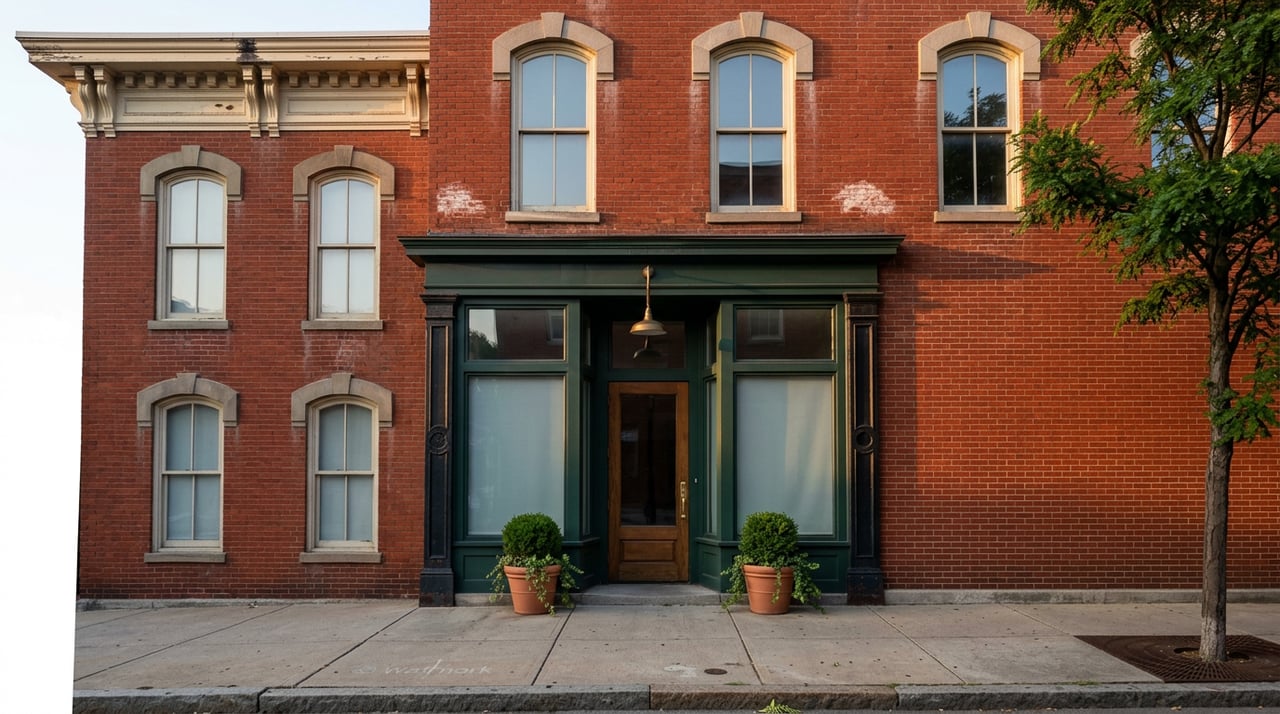
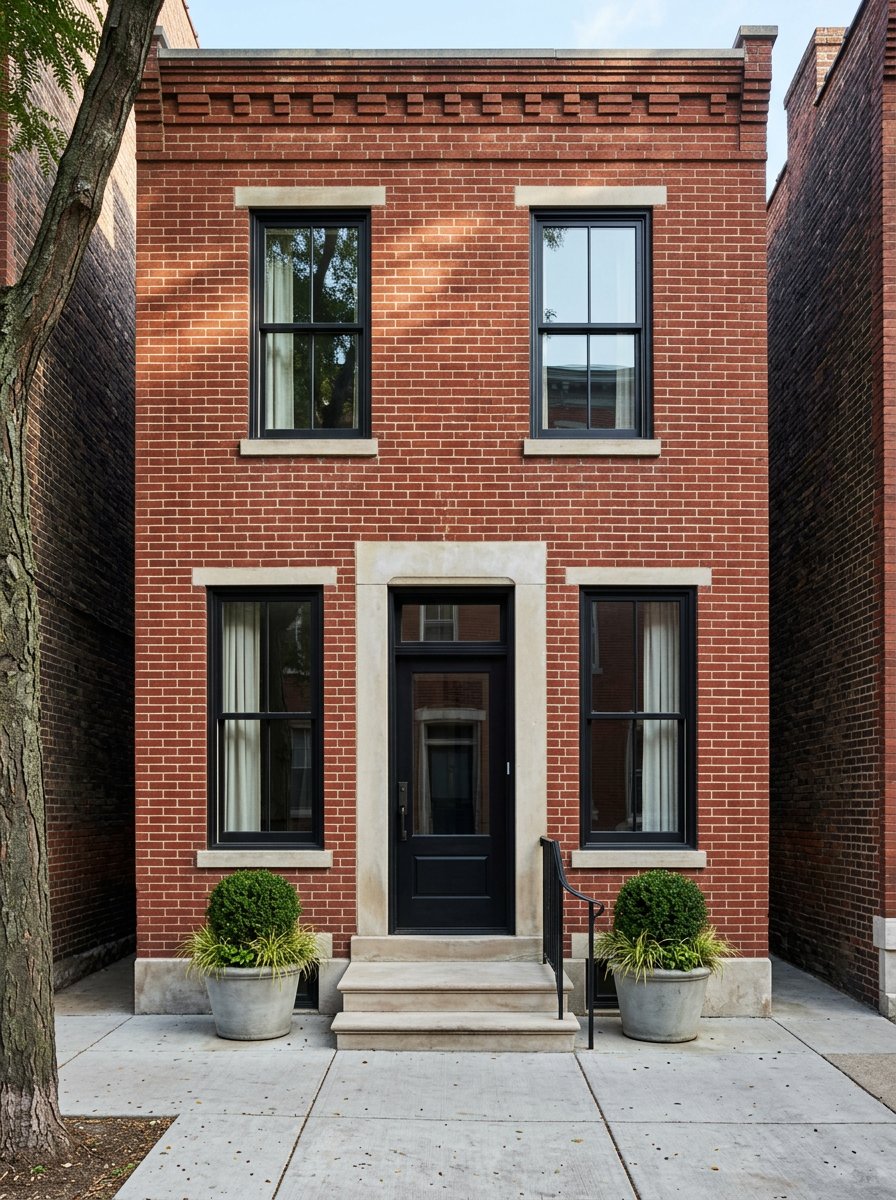
You will see late 1800s brick rowhouses, narrow storefronts with ornate cornices, lofts in former warehouses, and new infill condos. Many homes have stoops and ironwork details that give the streets a distinctive look. Expect a mix of apartments and condos, with some single-family options tucked into side streets or larger redevelopments.
Getting around and parking
Daily life is very walkable for many residents. The streetcar and several bus routes cover short hops, and bike share stations add flexibility. If you drive, plan for on-street parking rhythms and consider nearby garages, including the one under Washington Park, for events and weekend nights.
Safety and public data
OTR is an active urban neighborhood. Like many city centers, you will see both lively public spaces and some street-level incidents. For the clearest picture, review the City of Cincinnati’s incident-level data on the open data portal. You can browse current dashboards and datasets through this city data directory. As in any city, common-sense steps help, such as staying on well-lit blocks at night and keeping valuables out of sight.
Schools and family life
OTR is home to the School for Creative and Performing Arts, which draws many arts-focused families. Washington Park adds a playground, water features, and regular family programming. If schools are a priority, confirm address-specific assignments with Cincinnati Public Schools and explore private or charter options across the city.
Groceries and daily needs
Findlay Market covers produce, meats, specialty goods, and prepared meals Tuesday through Sunday, and it is a reliable weekly shopping routine for many residents. You will also find convenience options nearby, with larger supermarkets a short drive or transit ride away.
A simple day planner
- 7:30 am: Walk to Findlay Market for coffee and a warm loaf to share.
- 12:00 pm: Knock out errands on Vine, then unwind with a quick break in Washington Park.
- 3:00 pm: Pick up a child from rehearsal at SCPA or head to a gallery pop-in.
- 5:30 pm: Meet friends at a taproom for a pint.
- 7:30 pm: Dinner on Main, then a performance at Music Hall or a concert on the park stage.
- 10:00 pm: Easy ride home on the streetcar or a short walk under the glow of the city.
Ready to explore homes in OTR?
If life in OTR fits your rhythm, we can help you map the next step. Whether you are buying your first condo, relocating to Greater Cincinnati, or weighing an investment, our local guidance and polished marketing make the process clear and confident. Connect with the Willard & Erwin Group to start your plan.
FAQs
What and where is Over-the-Rhine in Cincinnati?
- Over-the-Rhine is a historic neighborhood just north of Downtown Cincinnati, known for 19th-century architecture, a dense street grid, and anchors like Findlay Market and Washington Park.
Is Over-the-Rhine walkable and can I live car-free?
- Many residents do daily life on foot, bike, and the streetcar thanks to the neighborhood’s high walkability and central location, though some people still keep a car for longer commutes.
What are typical home prices and rents in early 2026?
- As of January 2026, the median sale price was around 364,450 dollars, typical values were near 325,724 dollars, and median rents were in the high 1,800s per month. Always check current figures.
How is commuting and parking in Over-the-Rhine?
- The streetcar links OTR with Downtown and The Banks, and multiple bus routes serve the area. Parking is a mix of on-street options and garages such as the one under Washington Park.
How should I assess safety in Over-the-Rhine?
- Review up-to-date incident data on the City of Cincinnati’s open data dashboards and use common-sense habits like traveling on well-lit routes at night.
What family amenities and schools serve the neighborhood?
- Families use Washington Park’s playground and programs, and the School for Creative and Performing Arts serves arts-focused students; verify school assignments with Cincinnati Public Schools for your specific address.