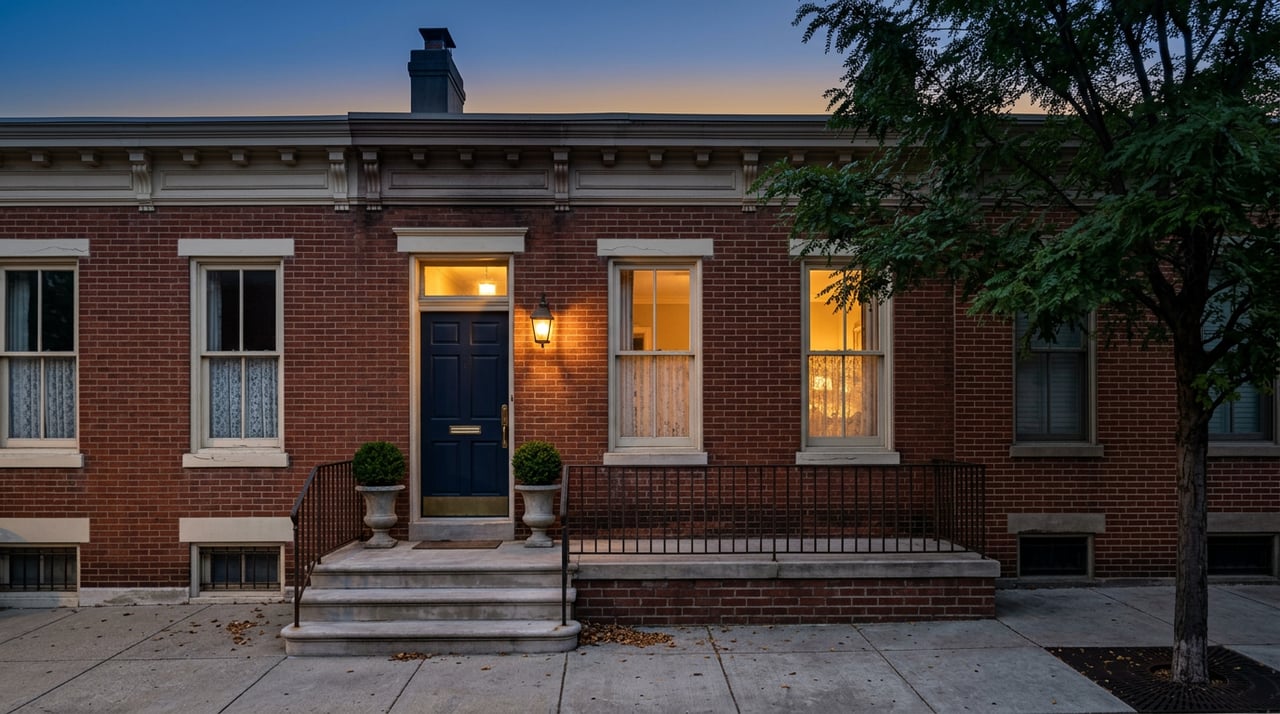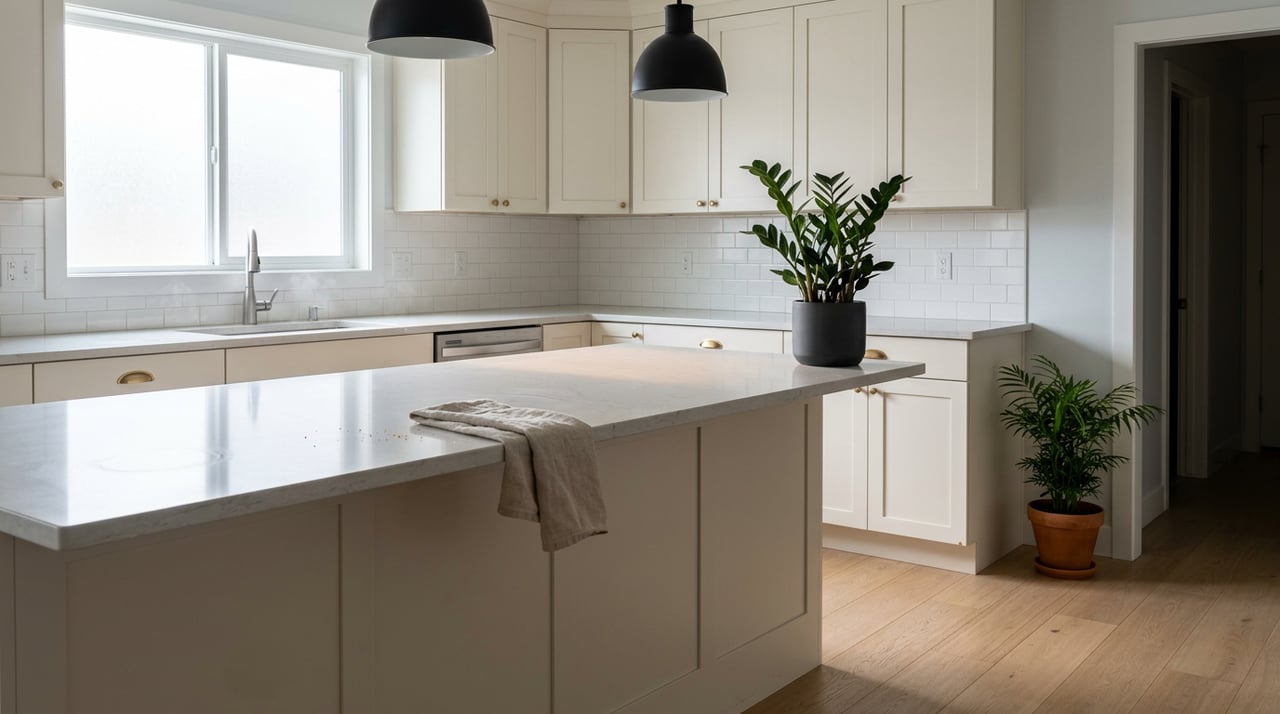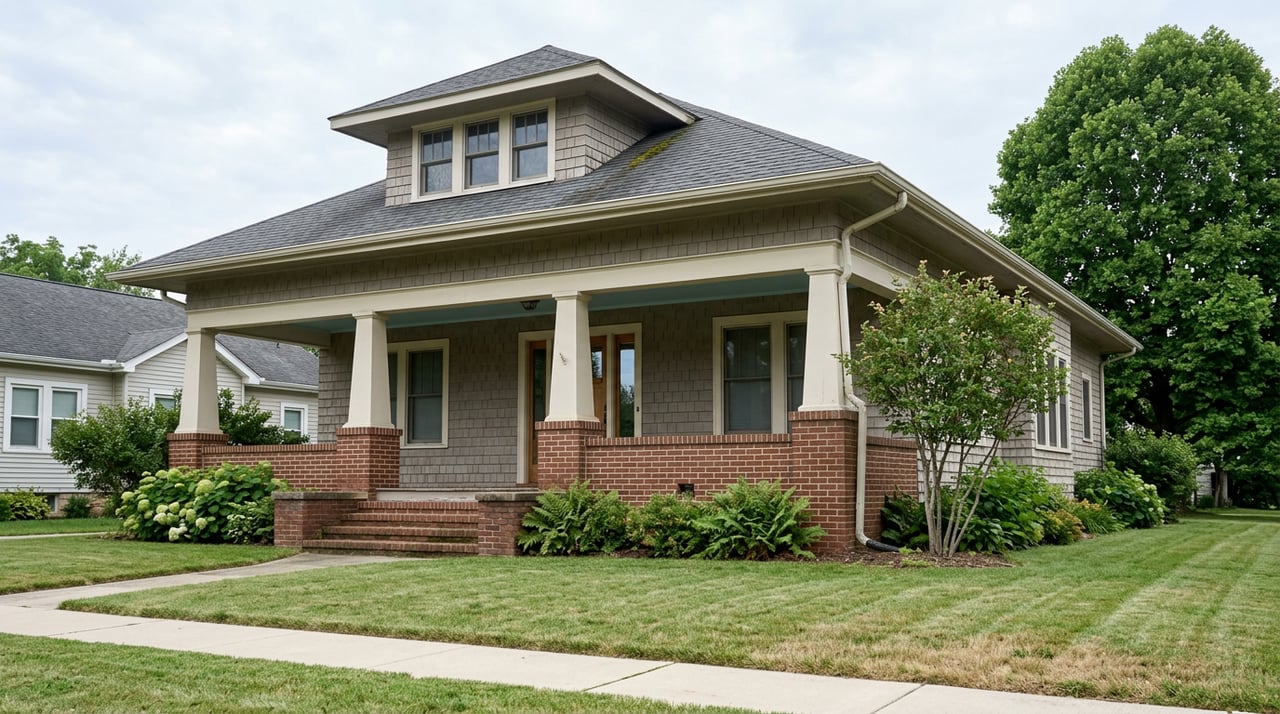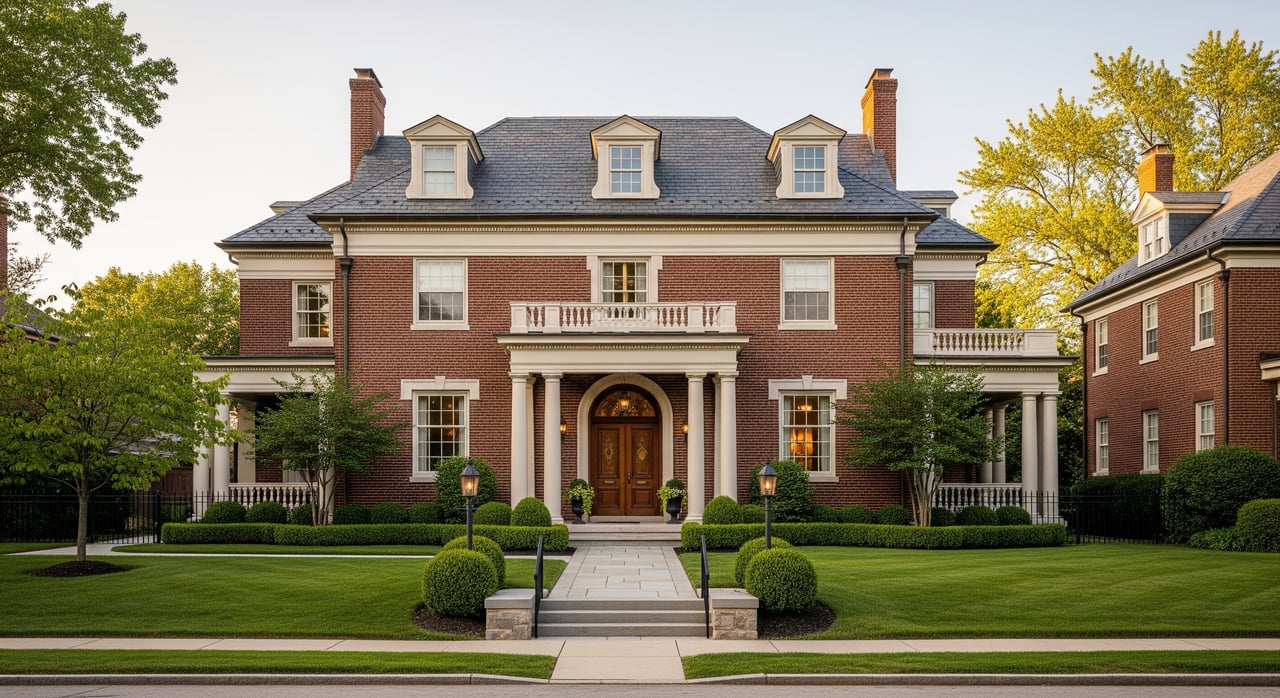
Is Hyde Park the right fit for you, and if so, which home style matches your lifestyle and budget? With leafy streets, a vibrant square, and a mix of condos, classic foursquares, and newer infill, this Cincinnati neighborhood offers a lot to love. You want walkability, character, and convenience, but you also want to make a smart, no‑surprises decision. In this guide, you’ll learn what to expect from each housing type, what to check during tours, and how to compare Hyde Park to nearby neighborhoods. Let’s dive in.
Hyde Park at a glance
Hyde Park is a well‑established, walkable neighborhood centered on Hyde Park Square. You’ll find local shops, cafes, restaurants, and services clustered around the square, which creates a village‑like feel. Many buyers choose Hyde Park for its pedestrian access to daily needs, mature shade trees, and front‑porch culture.
Lots are typically smaller than in many suburbs, so yard size and parking vary by block and property. The housing stock ranges from historic single‑family homes to condo conversions and limited new construction on subdivided lots. Proximity to downtown and key job corridors adds to the appeal.
If you are early in your search, confirm what matters most to you. Check commute options, review school assignment maps if schools are a priority, and look at current inventory and price trends through local MLS data and your agent.
The main home types in Hyde Park
You’ll likely choose among three broad options: condos, classic foursquares and other historic single‑family homes, or newer infill builds. Each comes with distinct tradeoffs.
Condos: fit, pros, and cautions
Condos are often the most affordable entry into Hyde Park living. They work well if you want a low‑maintenance, walkable lifestyle and do not need a big yard. Units range from compact one‑bedrooms to larger conversions in historic buildings.
Pros:
- Less exterior upkeep and potential access to shared amenities.
- A location‑first choice for downsizers, singles, or couples.
- Sometimes enhanced security features, depending on the building.
Cons:
- Monthly HOA fees that vary in what they cover.
- Restrictions on pets or rentals may apply.
- Financing can be more complex due to lender scrutiny and owner‑occupancy ratios.
Key due diligence:
- Review HOA documents, budgets, reserve studies, meeting minutes, and any litigation.
- Understand the master insurance policy and your HO‑6 policy needs.
- Evaluate the building envelope, common systems, and parking arrangements.
- Ask about recent or upcoming capital projects and whether reserves are adequate.
Classic foursquares and historic homes
American Foursquare, Victorian, and early‑20th‑century homes are common in Hyde Park. These homes tend to offer larger rooms, rich architectural details, and front porches that support community interaction. They fit buyers who value character and interior space.
Pros:
- Distinct historic features and mature landscaping.
- Often generous square footage and strong appeal to buyers who love character.
- Potential for solid resale among buyers who value historic homes.
Cons:
- Higher ongoing maintenance and risk of deferred issues.
- Older systems like wiring, plumbing, and HVAC may need updates.
- Exterior changes may be regulated if the home is in a local historic district.
Key due diligence:
- Order a whole‑house inspection plus specialists for roof, foundation, electrical, plumbing, chimney, and moisture.
- Ask about insulation and energy improvements.
- Verify permits for past additions or renovations.
- Check porch integrity, masonry, flashing, and drainage.
- Confirm whether the property falls within a local historic district and the implications for exterior work.
Newer builds and infill
New construction in Hyde Park is typically infill on subdivided lots, so it is less common than in suburbs. These homes appeal if you want modern systems, energy efficiency, and open layouts with lower near‑term maintenance.
Pros:
- Contemporary floor plans, better insulation, and updated mechanicals.
- Lower immediate maintenance needs and possible builder warranties.
- Often includes attached garages and modern kitchens and baths.
Cons:
- Smaller lots and less mature landscaping.
- Higher price per square foot in a built‑out neighborhood.
- Quality varies by builder and warranty coverage is limited in scope and time.
Key due diligence:
- Review builder track record and warranty terms.
- Confirm lot grading, drainage, easements, and landscape plans.
- Verify final inspections, certificates of occupancy, and permits.
- Clarify what finishes are standard versus upgrades.
Costs, financing, and rules to know
Pricing in Hyde Park often carries a premium compared to less central areas due to location and amenities. Inventory can be competitive, so align your budget with current MLS data and recent sales your agent provides. If you are considering a condo, factor HOA fees and potential special assessments into your monthly cost.
Property taxes are assessed at the county level, so verify current tax amounts through Hamilton County records. For insurance, older single‑family homes may have higher premiums or coverage nuances. Condo buyers should understand the master policy and secure an HO‑6 policy for interior coverage and personal property.
For financing, lenders may set specific criteria for condo projects, and FHA or VA approval can vary. Older homes with deferred maintenance or unusual systems may trigger lender repair requirements before closing. If a home is within a local historic district or conservation overlay, exterior changes may require review by city historic preservation authorities. Always verify permits for significant renovations, as unpermitted work can affect financing and resale.
Compare Hyde Park to nearby areas
Shoppers often compare Hyde Park with Mount Lookout, Oakley, East Walnut Hills, Pleasant Ridge, and Columbia‑Tusculum. Each area offers a different mix of price points, walkability, housing types, and traffic patterns. Hyde Park’s concentrated square and historic housing distinguish it, while some nearby neighborhoods offer larger lots, newer multiunit developments, or river access.
A quick comparison checklist can help you stay objective:
- Price and inventory competitiveness.
- Commute time to your workplace.
- School assignment maps and proximity to services you need.
- Lot size, parking options, and traffic near retail nodes.
- Housing stock type and age.
- HOA presence and monthly fees.
- Walkability and transit options.
Give each neighborhood a simple score against your priorities so you can narrow your list with confidence.
What to look for on tours
Use this focused checklist when you walk through homes. It keeps you on track and helps you compare apples to apples.
Property condition basics:
- Ages of roof, HVAC, water heater, and other major systems.
- Any signs of foundation or moisture issues and history of sewer backups.
- Proof of permits and inspections for major renovations.
- Typical utility costs for the property.
- Presence or remediation of period materials like lead paint, knob‑and‑tube wiring, or asbestos.
For condos and HOAs:
- Current monthly fees and coverage details.
- Reserve study status and any planned capital projects.
- Rental and pet rules and owner‑occupancy ratio.
- Any pending or past litigation.
For historic single‑family homes:
- Whether the property is within a historic district and any exterior work guidelines.
- Evidence of structural upgrades, repointing, foundation work, or drainage improvements.
- Condition of porches, steps, and exterior woodwork.
For newer builds:
- Builder warranty terms and claim process.
- Final municipal inspections and certificates of occupancy.
- Which finishes and upgrades are included and who installed them.
Practical lifestyle checks:
- Where guests park and any on‑street limits.
- Cell signal and internet options.
- Nearby noise sources, especially around the Square, and privacy from neighbors.
Questions for the seller or listing agent:
- Typical property tax amount and any recent changes.
- Recent comparable sales and time on market.
- Known neighborhood projects, construction, or planned zoning changes.
Inspection and advisor plan:
- Hire a general inspector for every property.
- For older homes, consider specialists such as a structural engineer, chimney professional, sewer scope, and environmental testing as warranted.
- For condos, have an experienced professional review HOA documents if you have concerns.
Smart next steps and local resources
Get the facts from authoritative sources as you move forward. Look to the local MLS for current listings and comparable sales. Use Hamilton County property records for taxes and parcel data, and the City of Cincinnati for permit history, zoning, and any historic conservation status. Check FEMA flood maps for flood zone information and review Cincinnati Public Schools and other resources for school boundaries and performance data. Walkability and transit tools can help you gauge your daily routine.
Build a team that fits Hyde Park’s housing mix. You will benefit from a local agent who knows condo underwriting, historic‑home inspections, and the nuances of infill construction. Add a mortgage lender familiar with condo and older‑home financing, a seasoned home inspector, and specialist pros as needed. A real estate attorney can help with complex HOA reviews or unpermitted work questions.
Finally, use a simple decision framework:
- Define your non‑negotiables, like budget, bedroom count, commute, and school needs.
- Calculate a full monthly cost that includes mortgage, taxes, insurance, utilities, HOA fees, and maintenance.
- Match the right housing type to your priorities: condos for lower exterior maintenance and location access, historic single‑family for character and space, and newer builds for modern systems and lower immediate upkeep.
- Score each property against your checklist and choose with confidence.
Ready to find your Hyde Park fit?
You do not have to navigate this alone. Our team combines neighborhood insight with clear, step‑by‑step guidance so you can buy with confidence, whether you land on a condo near the Square, a classic foursquare, or a modern infill home. If you are relocating or comparing multiple Cincinnati neighborhoods, we can help you weigh tradeoffs, line up inspections, and negotiate the right terms.
Reach out to the Willard & Erwin Group to start your search, tour hand‑picked homes, and build a plan that fits your goals. Willard & Erwin Group
FAQs
Are Hyde Park condos easier for first‑time buyers?
- Condos can offer a lower entry price and less exterior upkeep, but you should factor HOA fees, rules, and potential special assessments into your total monthly cost.
What maintenance surprises are common in older Hyde Park homes?
- Expect possible updates to wiring, plumbing, HVAC, roofing, gutters, foundations, and porch or trim woodwork, along with moisture management improvements.
Will historic status stop me from renovating?
- Historic designation typically focuses on exterior changes in designated districts; interior updates are usually less restricted. Verify rules with the city before planning work.
Are newer builds hard to find in Hyde Park?
- Yes. Hyde Park is largely built out, so new construction is mostly limited infill, making these homes less common and sometimes pricier per square foot.
How should I compare Hyde Park to Oakley or Mount Lookout?
- Score each neighborhood on price, inventory, walkability, commute, parking, housing stock, and HOA presence so you can align the choice with your priorities.
What insurance should I plan for?
- Single‑family homes typically need replacement‑cost coverage, while condos require an HO‑6 policy for interiors and personal property. Check FEMA maps for any flood risk.