Thinking about a condo in Over-the-Rhine and wondering if the HOA fees are worth it? You are not alone. In OTR, fees can look very different from building to building, which makes it hard to tell what you are really paying for. In this guide, you will learn what typical OTR condo fees cover, how reserves and special assessments work, and how to compare buildings by true monthly cost so you can buy with confidence. Let’s dive in.
OTR context that shapes fees
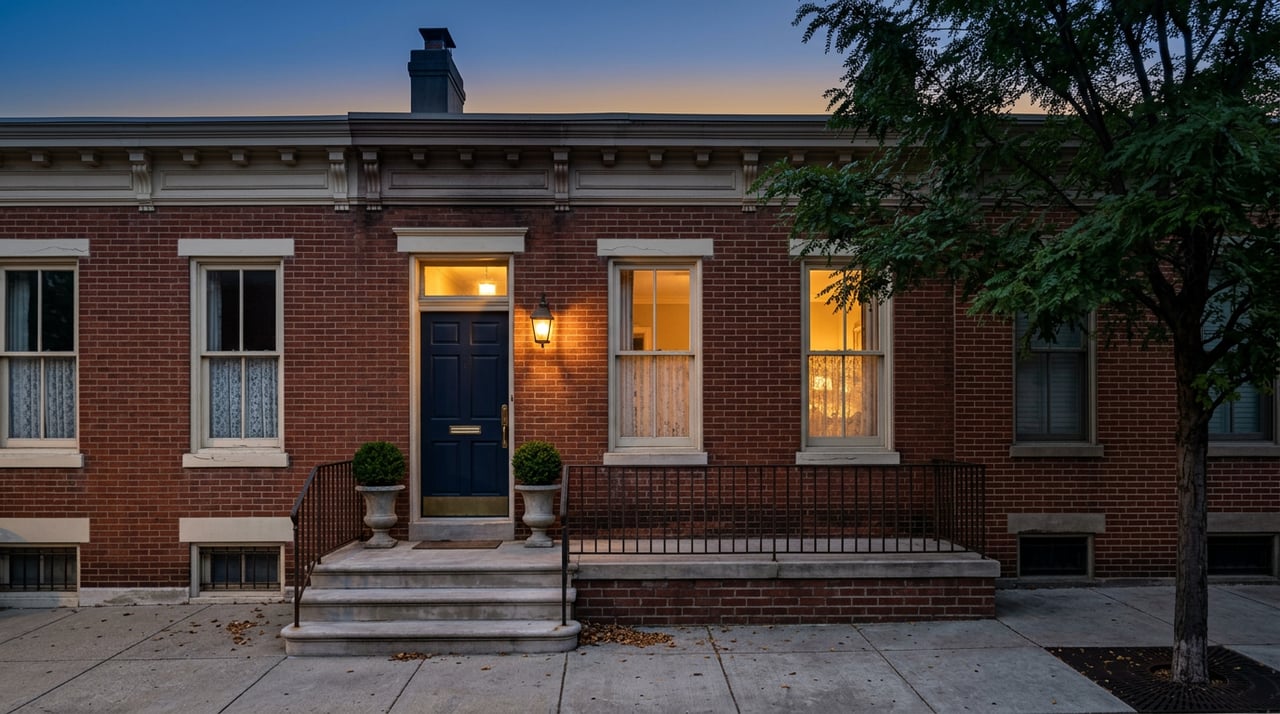
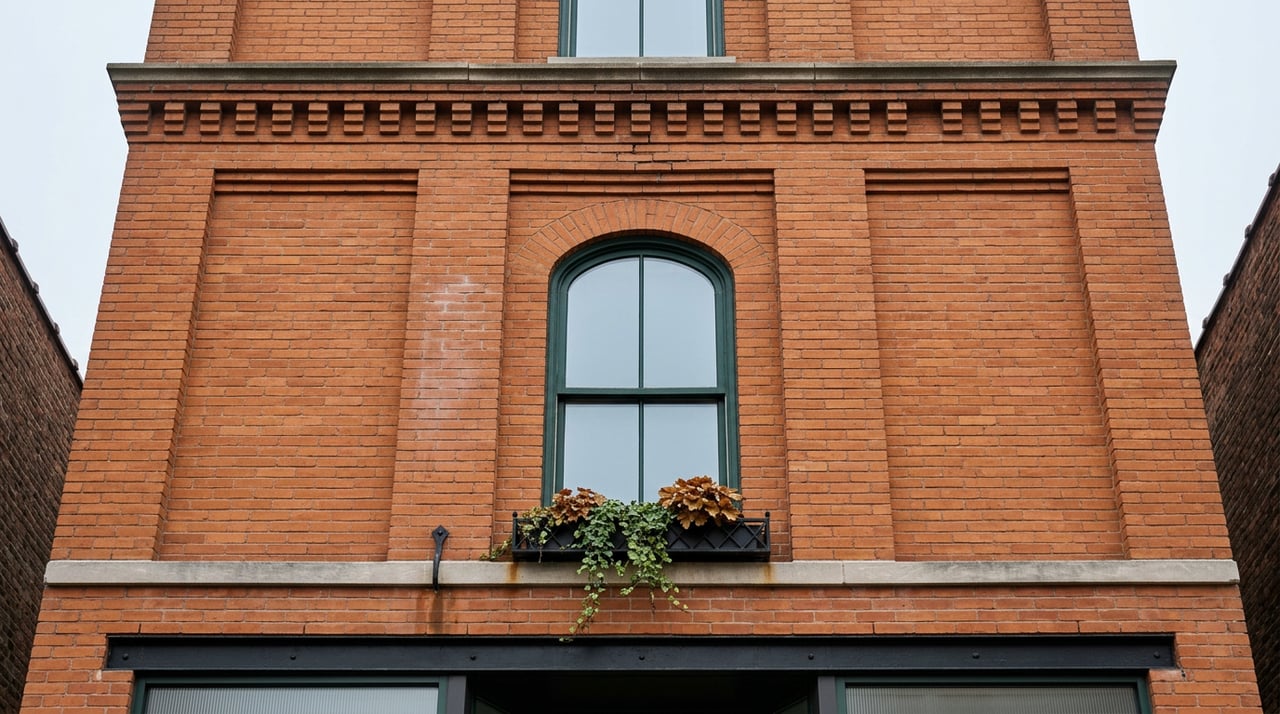
Over-the-Rhine is a historic, urban neighborhood in Cincinnati with a mix of boutique rehab conversions and larger buildings. That mix affects HOA fees. Smaller associations have fewer owners sharing costs, which can raise per-unit dues and make special assessments more volatile. Historic masonry buildings often need different care than modern construction, like façade repointing, roof work, and window restoration.
Redevelopment across OTR has created a range of building conditions. Some properties have been fully rehabilitated with updated systems and healthy reserves. Others are still catching up on deferred maintenance. Knowing which category a building falls into can help you judge the value behind the fee.
What HOA fees usually cover
Every association is different, but most OTR condo dues support a set of common needs.
Common-area maintenance
Your fees pay to maintain shared spaces such as façades, roofs, hallways, lobbies, stairs, and elevators. They also cover routine repairs, janitorial services, snow removal, and any courtyard landscaping.
Building systems and mechanicals
Associations fund service contracts and maintenance for elevators, fire suppression systems, boilers, shared HVAC, and other building infrastructure.
Utilities
What is included varies by building. Some HOAs include water, sewer, and trash. Others include heat or hot water. Some include none. Always confirm which utilities the association pays and which you pay directly.
Insurance
The master insurance policy typically covers common areas and the exterior structure. The scope can vary, ranging from “bare walls” to broader building coverage. You will usually carry an individual HO-6 policy for your unit interior, contents, and liability.
Management and administrative costs
If the association uses a professional management company, your fees will include those costs. Budgets also include bookkeeping, legal, bank fees, software, and other admin needs.
Amenities and services
Concierge, gym, pool, garage or structured parking, security systems, and package rooms add value for many owners but also increase operating costs.
Reserve contributions
Part of your dues should fund reserves for future capital projects, like roof or elevator replacement, façade restoration, or boiler upgrades. Healthy reserves reduce the risk of a sudden special assessment.
Taxes and other items
Individual property taxes are usually paid by unit owners, not by the association. In mixed-use buildings, there can be exceptions, so review the documents to confirm. Urban condos often include trash, pest control, and snow removal, but always verify details.
Reserves and special assessments
Understanding reserves and assessments is key to judging long-term costs, especially in a historic neighborhood like OTR.
Reserve funds and studies
Reserves are savings set aside for large, predictable repairs and replacements. A professional reserve study estimates the remaining life and replacement cost of major components, then recommends funding levels. Recent reserve studies and steady, positive funding are signs of a healthy association.
Special assessments
If reserves fall short or an unexpected event occurs, the association may levy a special assessment or take out a loan. Assessment size and frequency depend on reserve adequacy, building age, deferred maintenance, insurance scope and deductibles, and the association’s budgeting practices.
OTR risk factors to weigh
- Historic construction can mean pricey projects like masonry restoration, roof work, or older window systems.
- Small associations have fewer owners to share large costs, which can create higher per-unit fees and more volatility.
- Deferred maintenance in partially rehabilitated buildings can lead to near-term capital needs.
- Insurance on older or mixed-use buildings can carry higher premiums and deductibles, increasing owner exposure after losses.
- Poor governance or limited financial transparency adds uncertainty.
Compare buildings the smart way
To judge the real value of a condo, compare total monthly carrying cost instead of just price per square foot.
Step 1: Calculate true monthly cost
Add up your monthly mortgage payment, HOA dues, your share of property taxes, your HO-6 insurance, any utilities not included in the HOA, and parking if it is separate. This shows your realistic monthly spend.
Step 2: Adjust for what the fee includes
If Building A includes water, trash, and heat, and Building B includes none of those, estimate those owner-paid costs for Building B and add them to its HOA fee. Now you can compare apples to apples. Consider whether amenities like a gym or concierge are worth the cost for your lifestyle.
Step 3: Review budgets and reserves
Ask for the current year budget, two years of financial statements, the reserve study or reserve balance, insurance declarations, and board meeting minutes for the last 12 to 24 months. Look for signs of upcoming projects, pending assessments, or repeated cost spikes.
Step 4: Evaluate size and management
Small associations, often found in OTR rehabs, can have higher per-unit costs and are more sensitive to delinquencies. Professionally managed buildings often show more consistent accounting and reserve planning, though the management fee will appear in the budget.
Step 5: Ask the right financial questions
- How much is in reserves, and how was that amount determined?
- When was the last reserve study, and what recommendations were implemented?
- Were there special assessments in the past 5 to 10 years? For what?
- What projects are planned in the next 3 to 5 years?
- What is the delinquency rate for owner dues?
- Is there any pending litigation or code enforcement?
Step 6: Inspect the whole building
Do not focus only on the unit. Check the façade, roof, windows, entries, HVAC equipment, elevator condition, and any signs of deferred maintenance. Visible wear can be a clue to near-term capital needs.
Buyer document checklist
Request these items from the seller or association:
- Declaration, bylaws, and rules
- Current operating budget and most recent actuals
- Most recent reserve study and current reserve balance
- Board or owner meeting minutes for the last 12 to 24 months
- Year-to-date financials and bank statements, if available
- Master insurance policy declarations and deductibles
- Estoppel or association letter confirming current dues and any assessments
- List of recent capital projects with invoices or contracts
- Management agreement if professionally managed
- Leasing and short-term rental policies if relevant to your plans
Local checks to complete:
- Review Hamilton County Auditor and Recorder records for property and condominium filings.
- Confirm how property taxes are handled for your unit, especially in mixed-use buildings.
- Ask your closing attorney or title company to obtain an estoppel letter to verify dues and assessments.
- Consult a real estate attorney or an experienced condo-focused agent for help interpreting gray areas.
Questions to ask the HOA or manager
- What does the master insurance policy cover, and what must I insure with my HO-6?
- Is there a recent reserve study, and what are the top three upcoming capital projects?
- What percentage of owners are delinquent on dues?
- Have there been special assessments in the last five years, and why?
- Which utilities are included in the dues? If partial, which ones?
Make fees apples to apples
Two buildings can have very different dues for good reasons. One may include several utilities and a well-funded reserve. Another may include few utilities and keep dues low by deferring savings. Once you estimate the cost of any owner-paid utilities and add that to the dues, you will see the true gap. Then weigh the amenity package and the reserve health. A slightly higher fee can be the better value if it reduces surprise costs.
Final tips for OTR condo buyers
- Focus on reserve strength and recent reserve studies. These are two of the strongest indicators of financial health and future risk.
- Read recent meeting minutes. They reveal planned projects, assessments, and the tenor of the board’s decision-making.
- Consider association size. Smaller historic buildings common in OTR may need higher per-unit reserves and can see more fee volatility.
- Walk the building. Your eyes can catch clues budgets do not show.
If you want a second set of eyes on the budget, reserves, and building condition before you make an offer, we are here to help. Talk with the Willard & Erwin Group for local, condo-savvy guidance tailored to Over-the-Rhine.
FAQs
What do OTR condo HOA fees usually include?
- Most dues cover common-area maintenance, building systems, master insurance, management costs, and reserve contributions. Utilities, amenities, and services vary by building, so confirm specifics.
How do reserves affect my risk of special assessments?
- Strong reserves reduce the need for special assessments when major work arises. A recent reserve study and consistent funding are positive signs of financial health.
Are utilities typically included in OTR condo dues?
- Some buildings include water, sewer, and trash. Others include heat or hot water. Many include none. Always verify which utilities the association pays and which you will handle.
How should I compare HOA fees across OTR buildings?
- Compare total monthly carrying cost by adding your mortgage, HOA dues, taxes, HO-6 insurance, owner-paid utilities, and parking. Adjust for what each HOA includes to compare apples to apples.
What documents should I review before buying an OTR condo?
- Ask for the current budget, two years of financials, reserve study and balance, insurance declarations, governing documents, meeting minutes, and an estoppel letter confirming dues and assessments.
Do small condo associations mean higher fees or risk?
- Smaller associations have fewer owners to share costs, which can raise per-unit fees and increase the volatility of special assessments, especially in historic buildings with higher capital needs.