Choosing between a loft and a condo in Over-the-Rhine is not as simple as picking the one that sounds cooler. If you are drawn to OTR for its historic architecture, walkable streets, and downtown access, you also need to think about how you want to live day to day. The right fit often comes down to layout, ownership structure, parking, and long-term flexibility. Let’s dive in.
Why OTR feels different
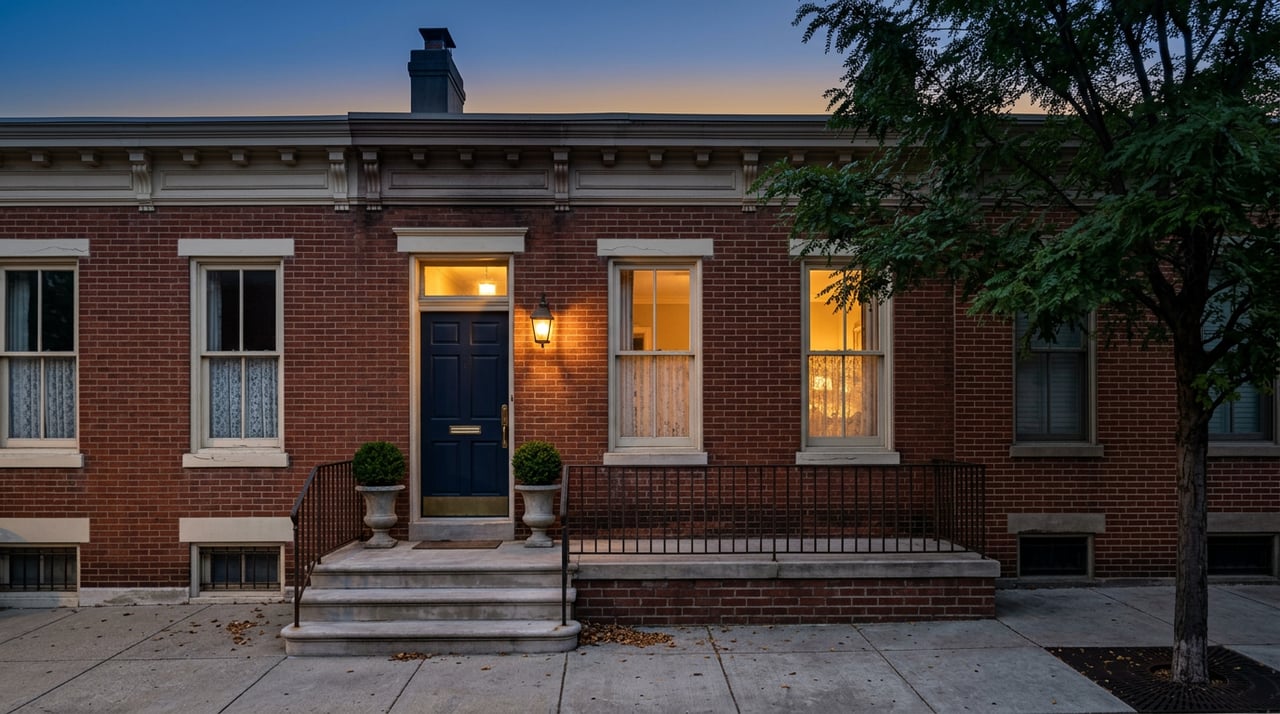
Over-the-Rhine sits just north of downtown Cincinnati and has a built environment that feels distinct from many other parts of the city. Planning and preservation sources describe it as one of the largest intact urban historic districts in the country, with a major collection of 19th-century Italianate architecture. That means rows of three- to five-story brick buildings, strong street presence, and many mixed-use properties with storefronts below and homes above.
That physical setting shapes how homes function in OTR. You are often looking at spaces inside older buildings, adaptive reuse projects, or urban infill that leans into a denser lifestyle. In many cases, the building itself matters as much as the square footage inside the unit.
OTR also supports a more car-light routine than many Cincinnati neighborhoods. The Cincinnati Connector streetcar runs a 3.6-mile loop through The Banks, Downtown, and Over-the-Rhine, and city planning emphasizes pedestrian-oriented streets and daily needs within walking distance. If you want a neighborhood where stepping outside your building is part of the lifestyle, OTR stands out.
Loft vs condo in OTR
A loft and a condo are not opposites. In Over-the-Rhine, they often overlap, which is why many buyers get confused at first.
What a loft means
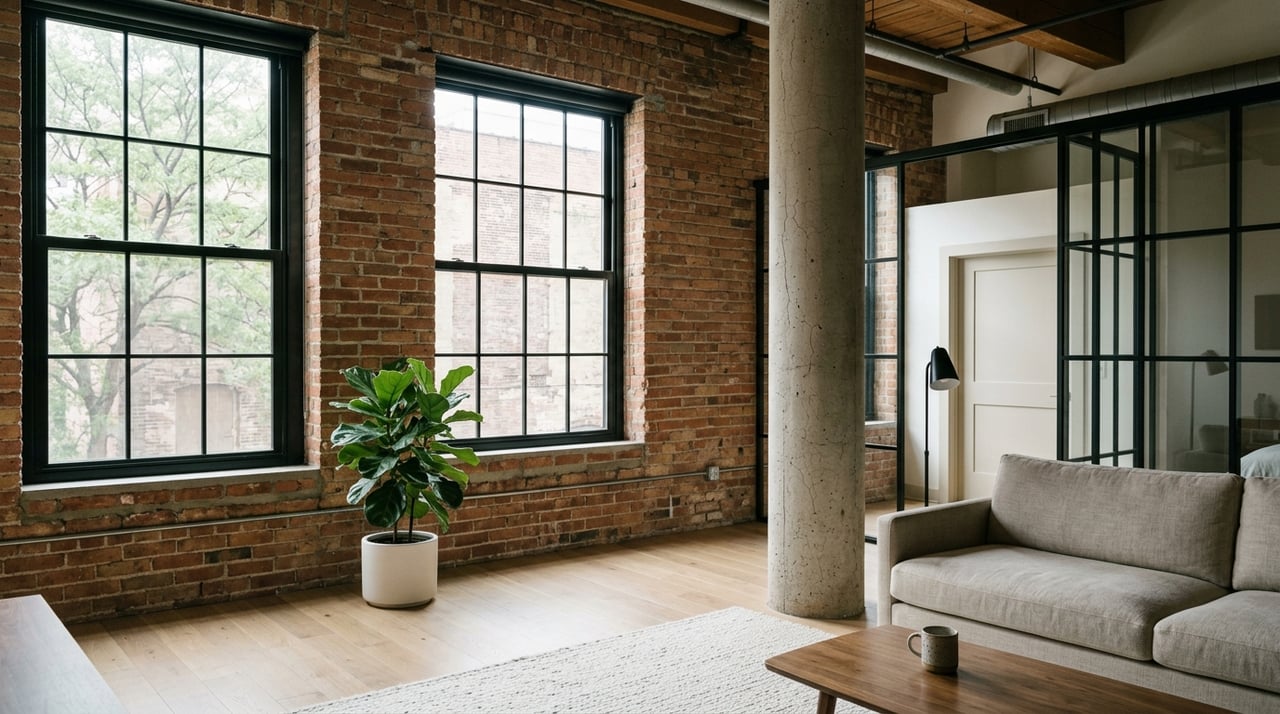
A loft usually describes the style and layout of a home. Lofts often feature open floor plans, high ceilings, fewer interior walls, and industrial or historic details. In OTR, that can mean converted warehouse or commercial space with exposed structure and a raw, open feel.
Some lofts are true conversions from older industrial or commercial buildings. Others are newer homes designed to look and feel like lofts. In both cases, the main draw is usually openness, character, and flexibility.
What a condo means
A condo usually describes the ownership structure. Under Ohio law, condo owners own their individual units and share ownership of common elements through a unit owners association. That association handles things like budgets, reserves, assessments, and records.
So a home can be a loft in design and also be a condo in ownership. That distinction matters because the style affects how the home feels, while the ownership structure affects monthly dues, building rules, and shared responsibilities.
How to compare daily living
The best choice often comes down to how you want your home to work for you every day. In OTR, practical details can matter just as much as design appeal.
Layout and flexibility
If you like open space, a loft may feel like a natural fit. One large volume can work well if you entertain often, want room for a home office, or prefer a layout you can personalize. That flexibility is one of the biggest reasons buyers are drawn to loft-style homes.
The tradeoff is that open space does not always give you much separation. You may have fewer enclosed rooms, less defined storage, and less privacy within the unit. If you want clear separation between living, working, and sleeping areas, some condos may offer a more traditional layout.
Storage and function
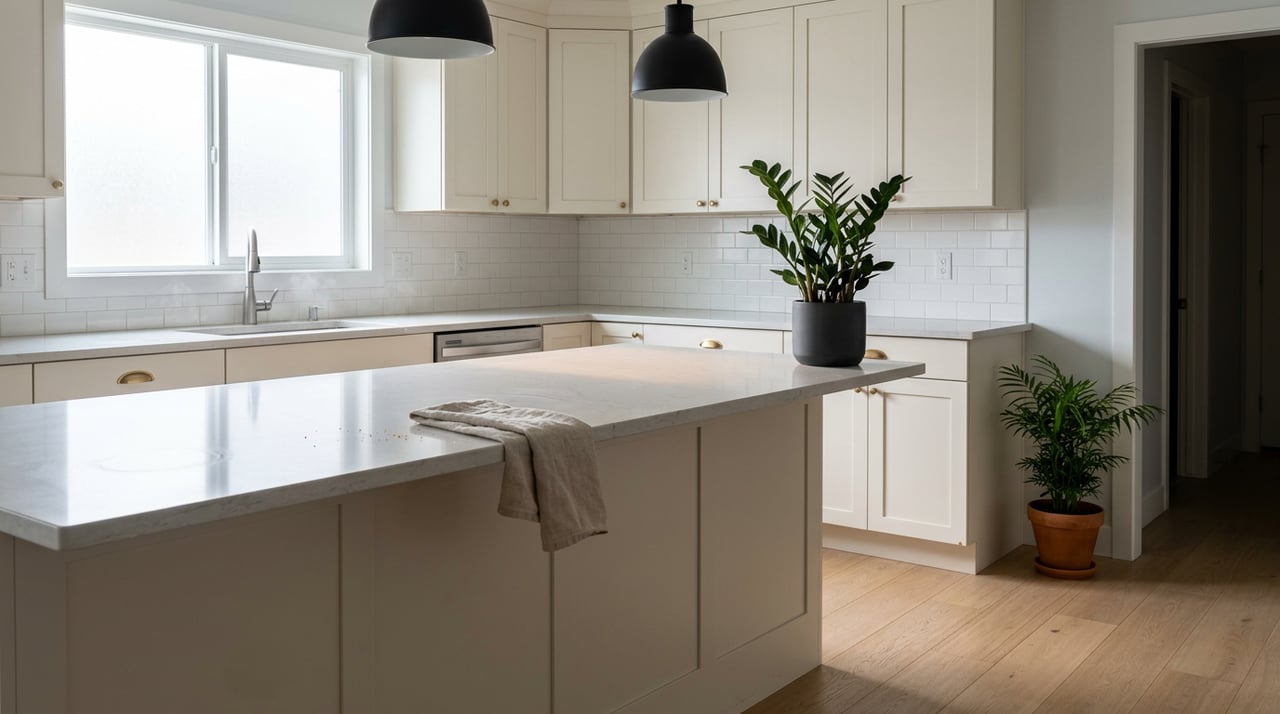
A beautiful open floor plan can feel exciting during a showing, but storage tends to matter more after move-in. In OTR, buyers should pay attention to closets, pantry space, built-ins, and where everyday items will actually go. Older conversions can vary widely from one building to the next.
This is where comparing the actual unit matters more than comparing labels. A condo with a smart renovation may live larger than a loft with an impressive ceiling height but limited storage.
Noise and privacy
Noise and privacy are highly building-specific in Over-the-Rhine. OTR is dense by design, and lofts often have open layouts inside older buildings. That means sound control can depend on things like floor placement, window orientation, wall construction, and whether the sleeping area is separated.
Instead of relying on the word “loft” or “condo,” look closely at how the unit is positioned in the building. A well-placed unit may feel much quieter and more private than another home in the same neighborhood at a similar price point.
Parking matters more than many buyers expect
Parking is one of the biggest real-world considerations in OTR. The neighborhood’s walkability is a major plus, but if you own a car or expect frequent guests, parking needs to be part of your decision early.
The City of Cincinnati offers residential parking permits in designated zones, including OTR, but a permit does not guarantee a space. Current city guidance lists the standard OTR resident permit at $60 per year. OTR also does not offer visitor passes, so guests usually need to use meters, garages, or off-street parking.
If parking convenience is important to you, ask specific questions about the building and the block. The difference between nearby garage access, off-street parking, and street-only parking can affect your routine more than finishes or staging.
Condo associations and monthly costs
If the property is a condo, the association is a key part of the ownership experience. Under Ohio law, all unit owners are members of the unit owners association, and the association must manage budgets, reserves, assessments, and records.
That means your monthly costs are not just about mortgage, taxes, and insurance. You also need to understand condo dues, what they cover, and whether the association appears financially healthy. Strong reserves and clear records can be just as important as the look of the lobby or rooftop deck.
What to review before you buy
When you are comparing condo or loft-condo options in OTR, it helps to review:
- Monthly association dues
- What the dues cover
- Reserve funding for major capital items
- Any recent or planned assessments
- Building maintenance patterns
- Rules that may affect renovations or future use
For many buyers, this is where a polished listing stops being enough. You want to understand the building behind the listing, not just the unit in the photos.
Historic buildings and renovation rules
OTR’s historic character is one of its biggest draws, but it also creates a specific review environment. In Cincinnati’s local historic districts, ordinary interior changes and sales are not restricted. Approval is generally required for exterior material changes, major alterations, or demolition through a Certificate of Appropriateness.
For buyers, that means the interior lifestyle of a home may be more flexible than you expect, while exterior work can involve added review. If you are hoping to make future updates, it is smart to understand where the line falls between interior changes and exterior work.
Historic status can also support long-term appeal. City planning materials describe local historic districts as tools that can help stabilize neighborhoods and protect property values. In a place like OTR, character is not just aesthetic. It can be part of the long-term value story.
Budgeting for the OTR market
As of April 2026, market snapshots show Over-the-Rhine with a median listing price of $350,000, a median price per square foot of $319, and a median 70 days on market. That gives you a helpful baseline as you compare loft and condo options.
Still, list price alone does not tell the full story. Loft-style homes can sometimes command more per square foot because of their volume, design, and appeal. In OTR, it often makes more sense to compare total carrying cost instead of focusing only on asking price.
That total picture may include:
- Mortgage payment
- Property taxes
- Insurance
- Condo dues, if applicable
- Parking costs
- Storage tradeoffs
- Potential future maintenance or assessments
Which one fits your lifestyle?
There is no one-size-fits-all answer in Over-the-Rhine. The better choice depends on how you live, what you value, and how long you plan to stay.
A loft may be a better fit if you want:
- Open space and fewer interior walls
- Historic or industrial character
- Flexibility for entertaining or working from home
- A home that feels visually unique
A condo may be a better fit if you want:
- A clearer ownership framework
- Shared building management through an association
- More predictable layout options
- A structure that may feel more standardized from a budgeting standpoint
In OTR, though, many homes check both boxes. You may find a loft-style unit inside a condo association, which is why it helps to look past the label and evaluate the full package.
What smart buyers focus on first
When buyers narrow in on the right OTR home, they usually stop thinking in categories and start thinking in specifics. The questions become less about “loft or condo?” and more about “Can I live comfortably in this building and this layout?”
A smart comparison usually includes the same core factors:
- How the floor plan works for your routine
- How much privacy the unit offers
- Whether storage is truly adequate
- What parking looks like for you and your guests
- Whether the condo association appears well managed
- How the building’s historic setting may affect future exterior work
That is often where the right choice becomes clear. In Over-the-Rhine, the label matters less than the actual building, the actual unit, and how well both support your life over time.
If you are weighing loft or condo living in OTR, having local guidance can make the process much easier. Suzanne Willard can help you compare buildings, understand the ownership structure, and find a home that fits both your lifestyle and your budget.
FAQs
What is the difference between a loft and a condo in Over-the-Rhine?
- A loft usually describes the design style, such as open space and high ceilings, while a condo describes the ownership structure and association framework.
What should buyers know about parking in Over-the-Rhine?
- OTR residential permits are available in designated zones, but they do not guarantee a space, and OTR does not offer visitor passes for guests.
What should buyers review in an OTR condo association?
- You should review monthly dues, reserve funding, assessments, maintenance patterns, and any rules that could affect renovations or ownership costs.
Are interior renovations restricted in Over-the-Rhine historic buildings?
- Ordinary interior changes are not restricted in Cincinnati local historic districts, but exterior material changes, major alterations, and demolition typically require approval.
What is the median listing price in Over-the-Rhine?
- As of April 2026, the median listing price in OTR is $350,000, with a median price per square foot of $319 and a median 70 days on market.